
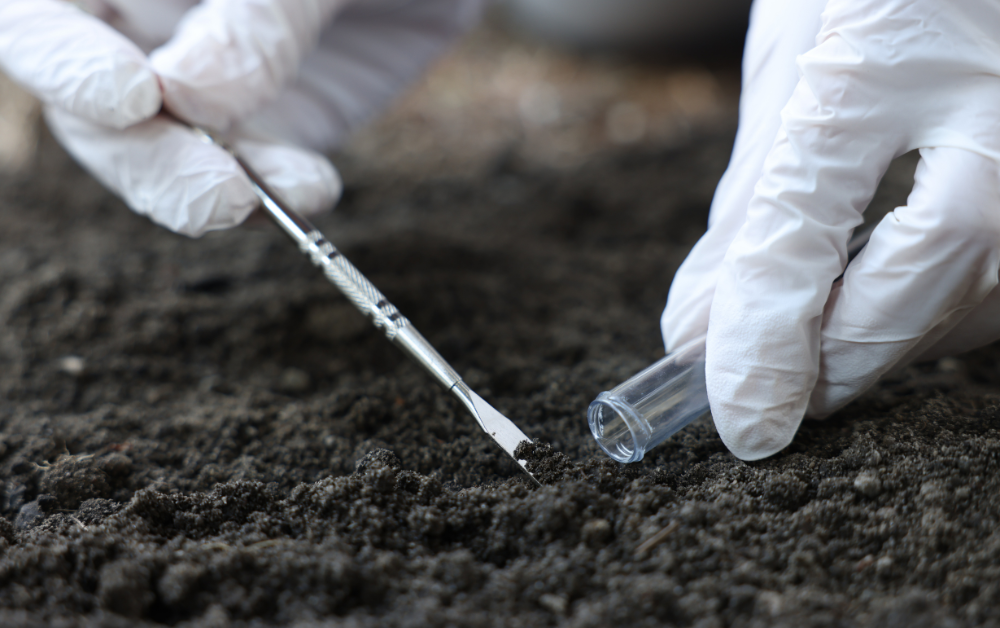
Healthy, thriving trees don’t happen by accident—they are the result of proper care that begins below the surface. While many homeowners focus on pruning, watering, and visible signs of health, the real foundation of tree vitality lies in the soil. Soil testing provides critical insights into the environment where roots grow, helping identify issues that may not be visible above ground. Without this knowledge, tree care often becomes guesswork, leading to ineffective treatments or even long-term damage. Tree Docs emphasizes that successful tree care starts with understanding the soil’s condition and composition. By investing in soil testing, homeowners can take a proactive, informed approach that supports stronger, healthier trees for years to come.
Reveals Nutrient Levels in the Soil
Soil testing provides a detailed breakdown of the nutrients available to your trees, making it easier to understand what is supporting their growth and what may be missing. Trees need vital nutrients such as nitrogen, phosphorus, and potassium to develop strong roots, maintain healthy foliage, and resist disease. Without testing, it is difficult to determine whether your soil already contains adequate nutrients or if supplementation is necessary. This uncertainty can lead to over-fertilizing, which may damage roots, or underfeeding, which can limit growth and vitality. By accurately identifying nutrient levels, homeowners can avoid unnecessary treatments and focus on targeted solutions.
- Identifies key nutrients required for optimal tree health
- Prevents over-fertilizing or underfeeding
- Supports strong root systems and structural stability
- Enhances long-term growth and resilience
Understanding nutrient levels enables precise care, ensuring each tree receives the right balance for sustained health and performance.
Identifies Soil pH and Its Impact
One of the most significant factors impacting how well trees absorb nutrients is soil pH. Even when nutrients are present, an imbalanced pH can make them unavailable to the tree. Soil testing reveals whether the soil is too acidic or too alkaline, providing clear guidance on how to correct it. This is especially important for tree species that require specific pH conditions to thrive. Without proper balance, trees may show signs of stress despite adequate fertilization.
- Determines if soil conditions allow proper nutrient uptake
- Helps adjust pH levels to optimal ranges
- Supports species-specific growth requirements
- Improves the efficiency of fertilization efforts
Balancing soil pH ensures that nutrients are not only present but also accessible, allowing trees to grow stronger and healthier over time.
Detects Soil Composition and Drainage
The makeup of soil plays a major role in how water and nutrients move through it. Soil testing identifies whether the soil is sandy, clay-heavy, or loamy, each of which has different effects on drainage and root development. Insufficient drainage can lead to waterlogged roots and eventual rot, while overly sandy soil may drain too quickly, leaving roots dry and stressed. Understanding these characteristics allows homeowners to make better decisions about planting, watering, and soil amendments.
- Identifies soil type and structure
- Evaluates drainage and water retention
- Helps prevent root rot and drought stress
- Guides proper planting and irrigation practices
With this information, you can create an environment that supports healthy root systems and encourages long-term tree stability.
Helps Diagnose Tree Health Problems
When trees show signs of stress, such as yellowing leaves, stunted growth, or premature leaf drop, soil testing can help uncover the underlying cause. Many of these symptoms are linked to nutrient deficiencies, imbalances, or poor soil conditions. Without testing, it is easy to misdiagnose the issue and apply ineffective treatments. Soil testing removes the guesswork and provides clear, data-driven insights.
- Identifies nutrient deficiencies and imbalances
- Explains visible signs of stress and poor growth
- Provides targeted solutions based on real data
- Prevents trial-and-error approaches
Early diagnosis through soil testing enables quicker intervention, helping restore tree health before problems become severe.
Guides Proper Fertilization and Care Plans
One of the most valuable benefits of soil testing is its ability to guide long-term tree care. Instead of relying on general recommendations, homeowners can create a customized plan tailored to their soil’s specific needs. This ensures that trees receive the correct nutrients in the right amounts at the right time. It also reduces waste by avoiding unnecessary treatments.
- Supports tailored fertilization strategies
- Reduces unnecessary costs and chemical use
- Promotes sustainable and environmentally responsible care
- Encourages consistent, long-term tree health
A well-informed care plan not only improves immediate conditions but also supports the ongoing health and growth of your trees.
Conclusion
Soil testing is one of the most practical ways to understand and improve your trees’ health. By analyzing nutrient levels, pH balance, soil composition, and potential issues, homeowners can take a proactive approach to tree care. Tree Docs uses soil testing to provide precise, reliable solutions that help trees thrive in any environment. Investing in this process not only prevents costly mistakes but also ensures long-term growth, stability, and beauty. Healthy soil leads to healthy trees, and the benefits extend for years to come. Contact Tree Docs today to schedule professional soil testing and give your trees the strong, supportive foundation they deserve.